Choose wool if warmth matters most, and cotton if you want to wash the throw at home and spend less. A wool throw keeps you warmer for its weight, handles moisture well and stays fresh with an airing, but it usually can't go in the washer. A cotton throw feels cooler, is easier to clean and costs less, which suits kids, pets and warm rooms.
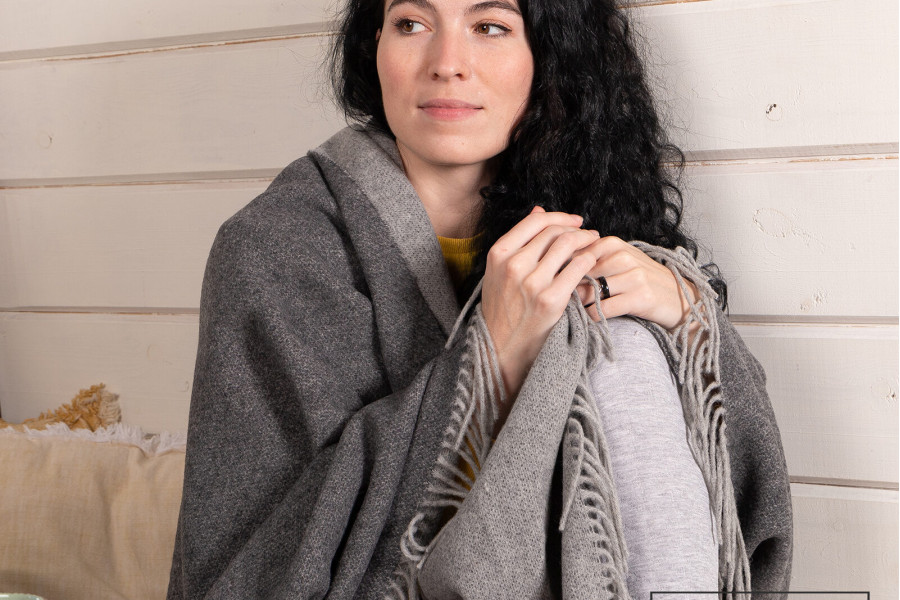
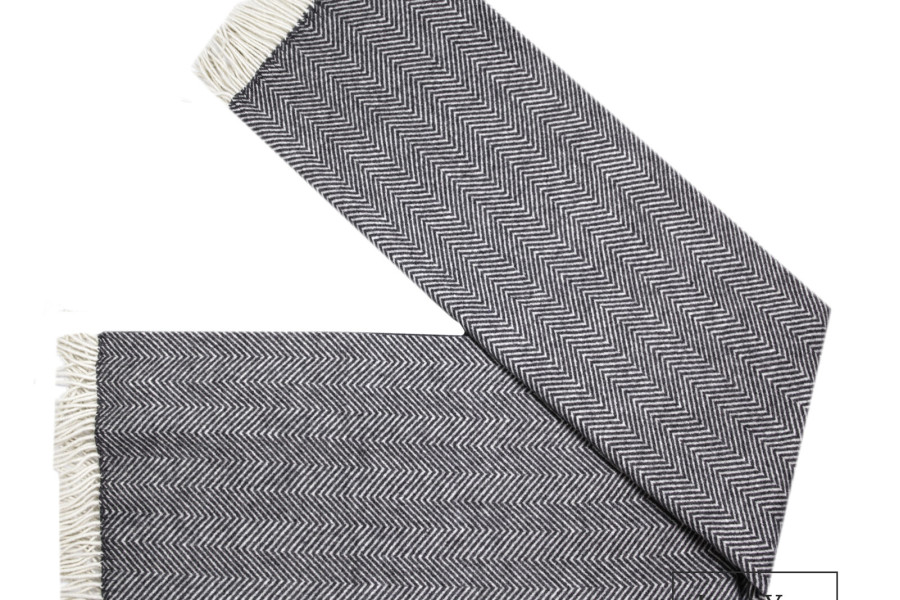
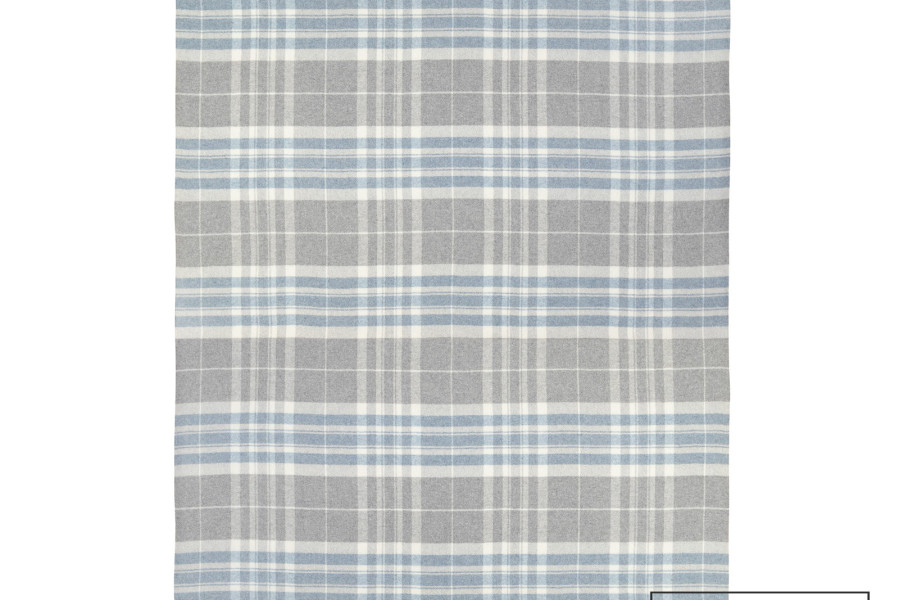
Our own two lines show the trade-off. Our merino throws (80% merino wool, 20% nylon) are the warmer ones; our cotton-blend throws (50% cotton, 30% polyester, 20% acrylic) can be hand washed at 86 °F (30 °C). Right now the cotton-blend throws are sold out in the US, so merino is the one you can order from us today.
Wool vs. cotton at a glance
| Wool: our merino throw | Cotton: our cotton-blend throw | |
|---|---|---|
| Warmth | Warmer for its weight; 4 out of 5 on our own scale | Cooler; 3 out of 5 on our own scale |
| Weight at 55 × 79 in (140 × 200 cm) | 730 g (about 1.6 lb) | 940 g (about 2.1 lb) |
| Breathability | Takes up moisture vapor without feeling damp | Cotton absorbs moisture but feels damp once wet; the polyester and acrylic absorb very little |
| Care | Do not wash: air it, blot spills, dry clean | Hand wash at 86 °F (30 °C) |
| Pets and kids | Resists dirt and odors, but accidents mean a trip to the dry cleaner | Spills and accidents wash out at home |
| Price | $49.90–$69.90 | $21.90–$32.90 |
| In our US store | In stock | Sold out right now |
Softness is a tie: we rate both lines 4 out of 5. The sections below go through the rows one by one.
Warmth and weight
Wool is the warmer fiber. Its crimped fibers trap still air, and still air is what insulates. Cotton fibers are flatter and less springy, so a cotton weave holds less air and feels cooler. Wool also stays warm when it's slightly damp; cotton doesn't.
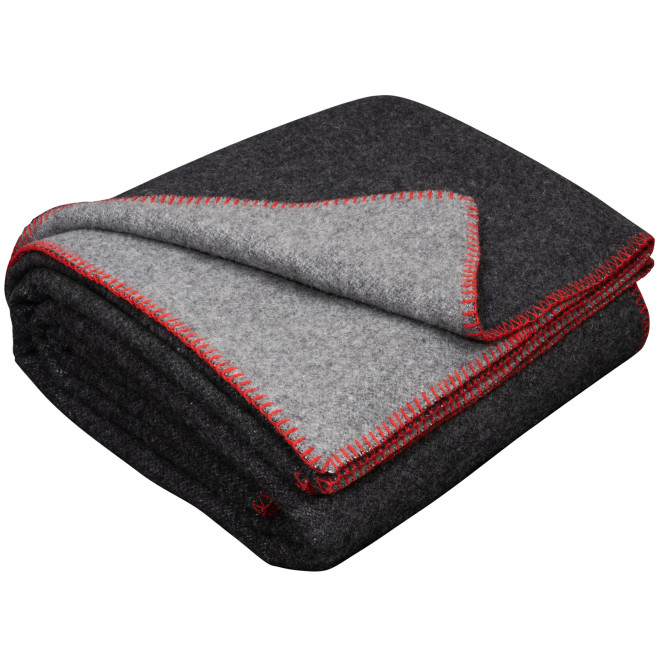
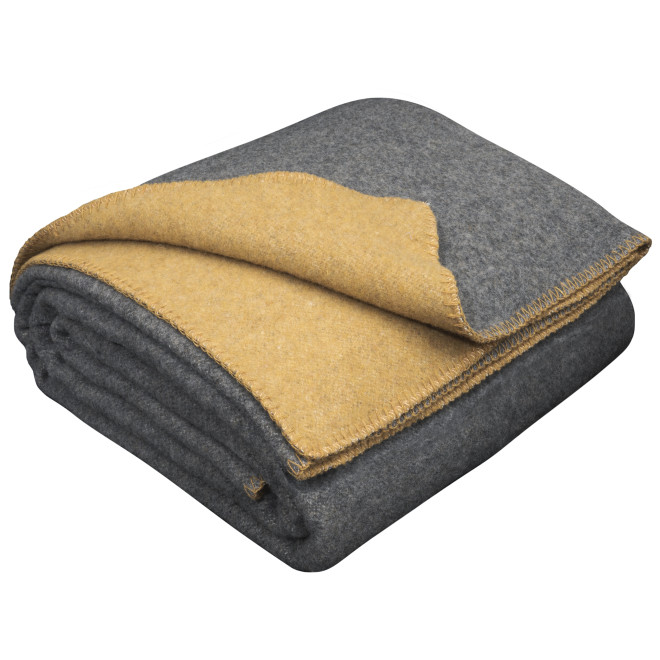
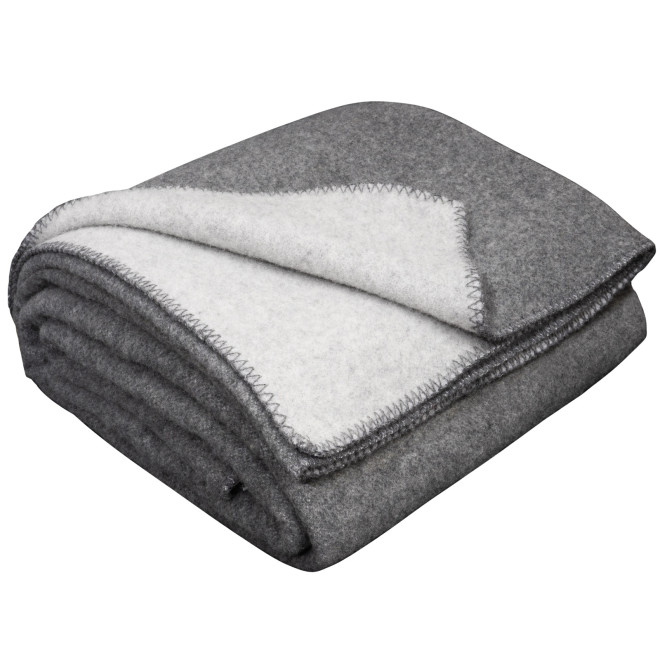
Our own figures show it. At the same 55 × 79 in (140 × 200 cm) size, our merino throw weighs 730 g (about 1.6 lb) and our cotton blend 940 g (about 2.1 lb), yet the merino rates warmer on our scale. Wool gives you warmth without bulk. If you'd like more weight, our double-sided merino throws are denser: 890 g (about 2 lb) at 51 × 67 in (130 × 170 cm) and 1,450 g (about 3.2 lb) at 59 × 85 in (150 × 215 cm).
If your living room runs cold in winter, or you like to wrap yourself up, wool is the better match. If you only want something over your legs in a heated room, cotton is often enough.
Breathability: which one for a warm room
Both fibers breathe, in different ways. Wool takes moisture vapor into the fiber and releases it again, so it rarely feels clammy, even when you warm up under it. It also resists odors, which is why an airing usually freshens it. Cotton absorbs moisture readily too, but holds on to it and feels damp once it's wet.
Our cotton-blend throw is half cotton and half synthetics, polyester and acrylic, which take up very little moisture. In practice it feels cool to the touch and suits warm rooms and summer evenings on the porch. Wool copes better when you start out cold and warm up under the throw.
Care: airing vs. washing
This is the biggest practical difference between the two.
Wool: our merino throws say do not wash. Wool freshens up in the open air, so most of the time you just hang the throw outdoors for a few hours, out of direct sun and rain, brush it and blot spills right away. When it needs a real clean, it goes to the dry cleaner.
Cotton blend: our cotton-blend throws are washed by hand, as the label says:
- Hand wash at 86 °F (30 °C) with a detergent without bleach.
- Soak for 10 to 15 minutes, then move the throw gently by hand for 5 to 10 minutes.
- Rinse in water of the same temperature.
- Don't wring or twist it; let the water drain away.
- Hang it up to dry, out of direct sun.
Hand washing a 2 lb throw in the bathtub is a chore, but you can do it at home whenever it's needed. How to care for wool, including what to know if you choose to wash it anyway, is in our guide on how to wash a wool blanket.
Pets, kids and everyday life
- Pet hair clings to both. A lint roller or a damp rubber glove lifts it off.
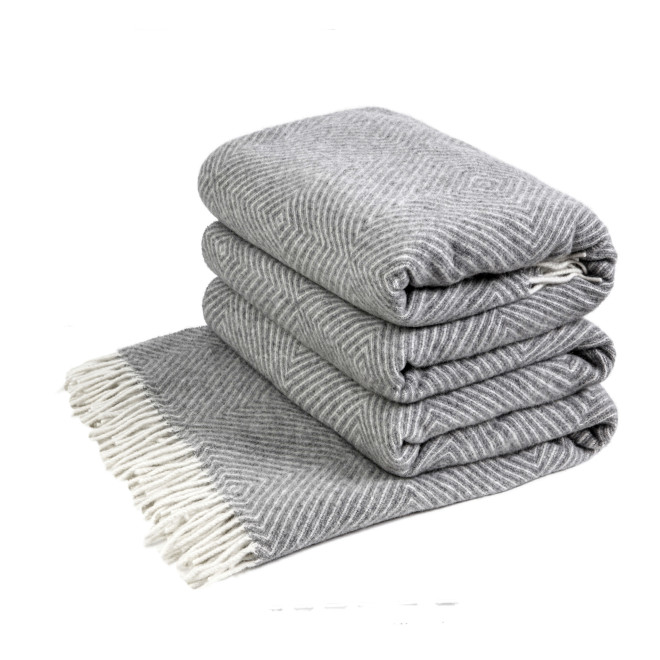
- Claws can pull loops in any woven throw, and fringes tempt cats. At 55 × 79 in, both of our throws have fringes.
- Spills and accidents are where cotton wins: the cotton blend goes in the tub, while a wool throw goes to the dry cleaner. Wool resists dirt and odors well, which buys you time, but ours can't be washed at home.
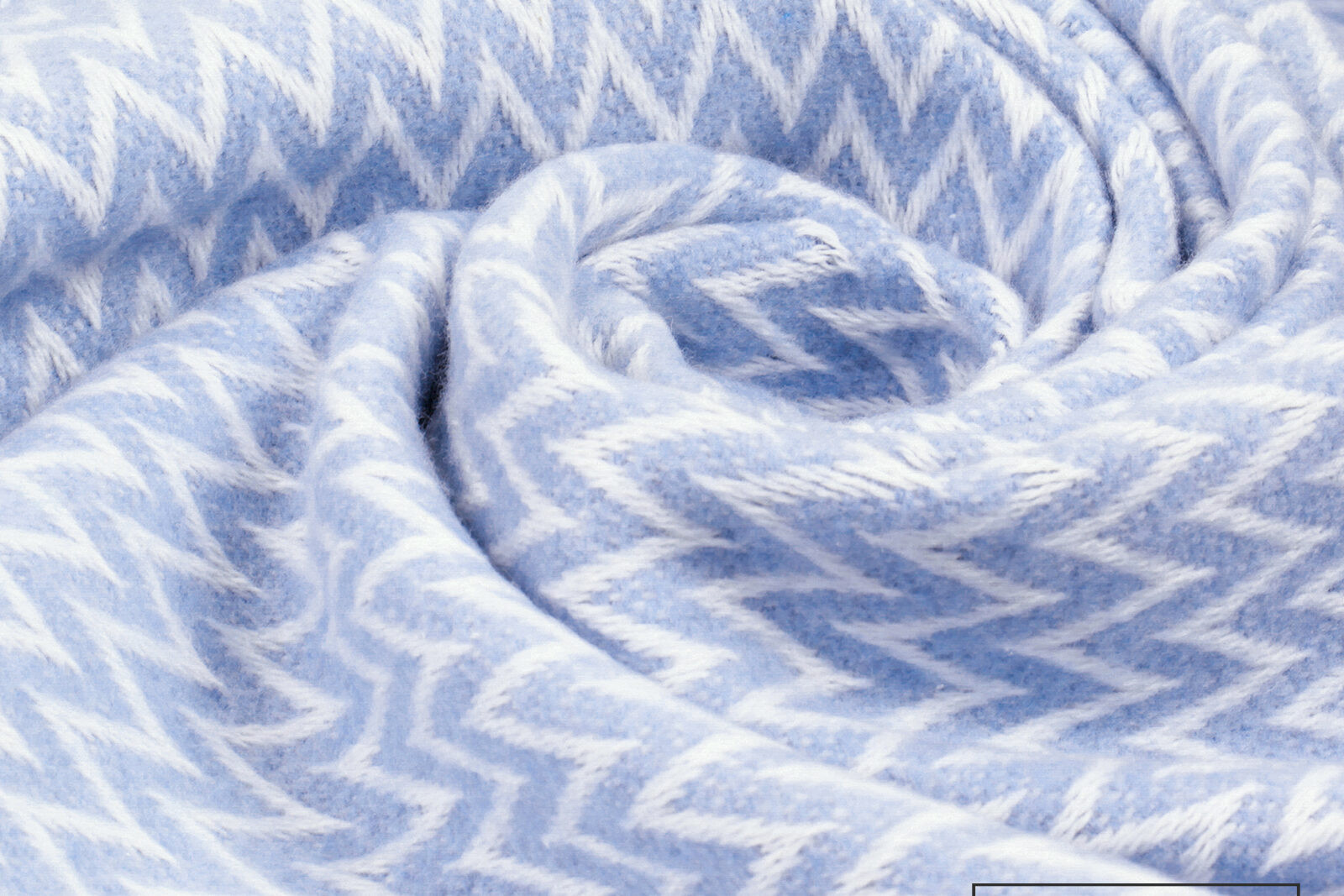
- Kids: for movie nights with snacks and older kids' rooms, the washable cotton blend is the more relaxed choice. Its patterns include cats, dogs and butterflies.
- Babies: neither throw belongs in a crib. Keep loose blankets out of an infant's sleep space.
Price, stock and which one to choose
Wool costs more because the fiber does. Our merino throws are $49.90 to $69.90 in three sizes; our cotton-blend throws are $21.90 to $32.90.
- Choose wool if you're often cold, want warmth without bulk, would rather air a throw than wash it and don't mind an occasional trip to the dry cleaner.
- Choose cotton if you want to wash the throw yourself, have kids or pets that make messes, keep a warm house or want to spend less.
In the US, our cotton-blend throws are sold out right now; the page shows the patterns, so check back for restocks. Our merino throws are in stock, with free shipping across the US from our New Jersey warehouse and 30-day returns.
FAQ
Is wool or cotton warmer?
Wool. Its crimped fibers trap more still air for their weight, and it stays warm when slightly damp. Our merino throws rate 4 out of 5 for warmth on our own scale, our cotton blend 3 out of 5.
Is a cotton throw blanket good for summer?
Yes. It feels cooler than wool, and you can wash it at home. Ours is a blend of 50% cotton, 30% polyester and 20% acrylic, and it's hand washed at 86 °F (30 °C).
Are wool throws itchy?
Coarse wool can be. Merino is a fine wool and feels soft: we rate our merino throws 4 out of 5 for softness, the same as our cotton blend.
Can a wool throw go in the washing machine?
Only if its label allows it. Ours say do not wash: air them and have them dry cleaned when needed.